
When a Zalando package arrives at your home, the name of the carrier on the label varies from order to order. Colissimo, Chronopost, UPS, DHL: the logistics chain of the Berlin-based platform relies on a multi-carrier system whose selection logic remains opaque for most buyers. Understanding who actually delivers your Zalando orders requires distinguishing between two parallel circuits: one for items shipped by Zalando and another for products sent directly by partner brands.
Zalando Carriers in France: Comparison by Delivery Circuit

The first variable that determines the carrier is the shipping circuit. An item “sold and shipped by Zalando” does not follow the same path as a product listed as “sold and sent by” a partner brand like Massimo Dutti. In the latter case, it is the brand itself that chooses its logistics provider.
| Circuit | Frequent Carriers | Who Chooses the Carrier | Package Tracking |
|---|---|---|---|
| Sold and shipped by Zalando | Colissimo, Chronopost, DHL | Zalando (internal algorithm) | Via the Zalando app or the carrier’s website |
| Sold and sent by the brand | Variable (UPS, Colissimo, in-house carrier) | The partner brand | Tracking link provided by the brand |
| Privé by Zalando | Colissimo | Zalando (dedicated circuit) | Shipping confirmation by email |
This table summarizes the logistical segmentation as it emerges from Zalando’s product pages and service conditions. To better understand who ensures Zalando delivery, it is important to keep in mind that the mention “sold and sent by” on the product sheet is the only reliable indicator of the circuit taken by your package.
How Zalando Selects the Carrier Based on Country and Type of Item
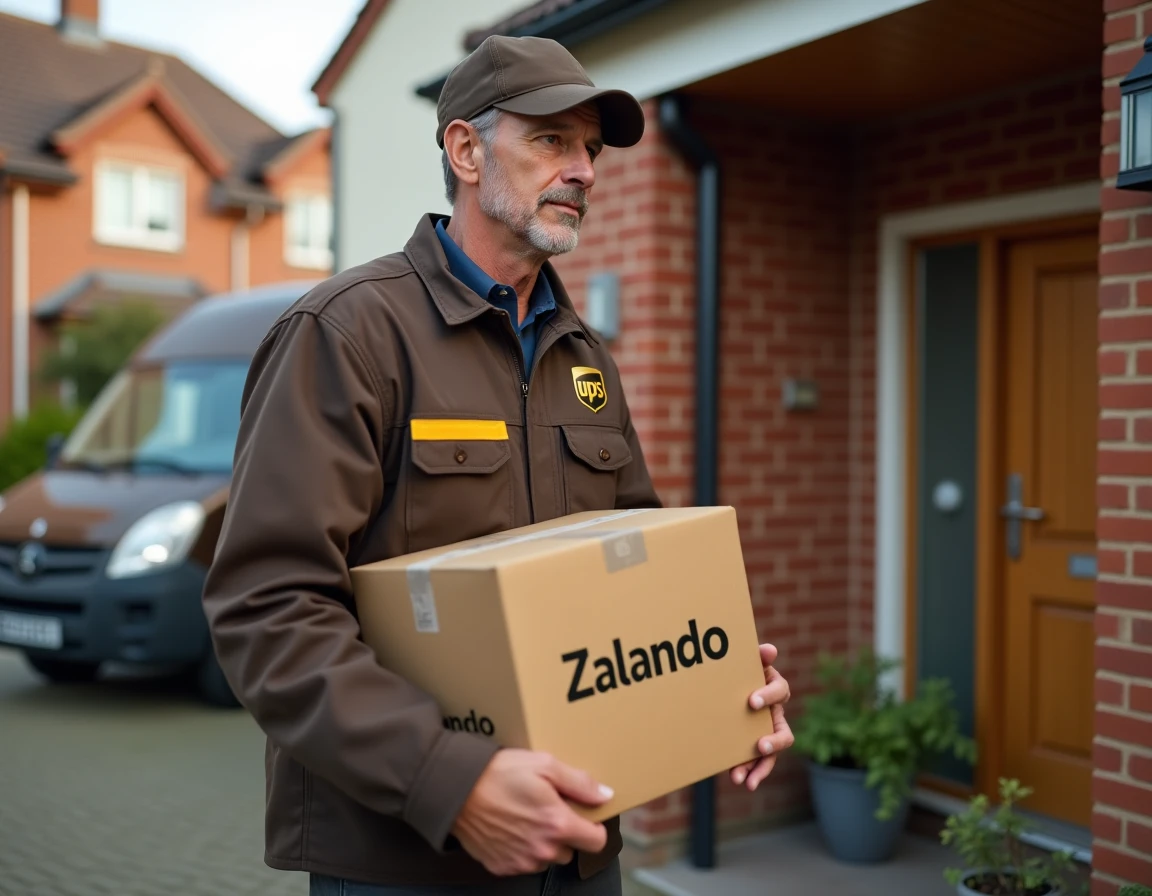
The platform does not simply assign a single carrier to all of France. The delivery chain is geographically segmented and multi-carrier. Several factors come into play in the automatic assignment of the provider.
- The destination country: a package shipped to mainland France often goes through Colissimo for standard delivery, while an order to Switzerland or Belgium may transit through DHL or UPS
- The chosen delivery method: express delivery uses Chronopost, while standard delivery favors Colissimo for its national coverage
- The origin warehouse: Zalando’s stocks are spread across several sites in Europe, and the carrier also depends on the location of the warehouse handling the order
- The actual seller: when a partner brand ships directly, the responsibility for the logistics choice falls entirely on it, which explains the differences in delivery times from one order to another
This assignment mechanism is not well documented by Zalando. Third-party tracking platforms confirm that Colissimo is just one link among many in a much larger network.
The Specific Case of Privé by Zalando
Privé by Zalando operates on a distinct logistics circuit. Delivery in France goes through Colissimo, from Monday to Saturday. The packaging and handling fees amount to 3.90 euros per order, regardless of the number of items.
A point rarely mentioned: on Privé by Zalando, the delivery address is sometimes pre-filled and defaults to a specific delivery method. This constraint limits the possibility of selecting another carrier or an alternative pickup point at the time of payment. Customer feedback regularly reports this rigidity, which is absent from the official FAQs.
Consequences on Delivery Times, Returns, and Lost Packages
Zalando’s multi-carrier architecture has concrete effects on the customer experience, and these effects vary depending on the circuit taken.
Actual Delivery Times and Variations Between Circuits
An order shipped by Zalando from a European warehouse follows a relatively standardized path. In contrast, an item sent by a partner brand may originate from a warehouse located in another country, with a different carrier and longer delivery times. The delivery time displayed on the product sheet therefore varies according to the actual seller, not just based on the selected delivery method.
Returns and Carrier Responsibility
Zalando has a return policy within 30 days. For items shipped by the platform, the process remains smooth: prepaid label, drop-off at a pickup point or post office. For products sent by partner brands, the procedure may differ. Returns may sometimes go through a distinct circuit, with another carrier and a reimbursement timeline not aligned with that practiced by Zalando directly.
Reporting a Lost or Damaged Package
The point of contact remains Zalando in all cases, even if the final carrier is chosen by the partner brand. Zalando’s customer service centralizes complaints, but resolution depends on the carrier involved. A package lost by Colissimo does not follow the same investigation procedure as a package entrusted to UPS or DHL.
- Order shipped by Zalando: claim via the app or website, tracking integrated into the customer account
- Order shipped by the brand: claim via Zalando, but investigation conducted by the brand’s carrier
- Privé by Zalando: claim by email, Colissimo tracking only
The multiplication of carriers creates a gray area for the end customer. The name displayed on the tracking slip does not always correspond to the provider that physically handled the package in the last mile, especially when a local subcontractor takes over.
Zalando Marketplace and Logistics Transparency: What the Product Sheet Says
Since Zalando expanded its marketplace model, the mention “sold and sent by” appears on an increasing number of product sheets. This indication remains the only reliable way to anticipate the logistics circuit before ordering.
For the customer, the difference is made at the time of ordering. A product shipped by Zalando offers a more predictable logistics chain (known carrier, integrated tracking, simplified return). A product shipped by the brand introduces an additional variable regarding the carrier, delivery time, and return management.
The reflex to adopt: systematically check the shipping mention on each item before validating the cart. Two products ordered simultaneously may arrive via different carriers, in separate packages, with distinct delivery windows.