A decree published at dawn disrupts the timetable for pension reform. Some key dates are moved forward, others pushed back, reconfiguring the country’s social agenda. But the shockwave does not stop at the borders. In New York, the UN Security Council, convened urgently, surprises with the adoption of a resolution that reshuffles the cards in the Middle East.
On the economic front, the figures released overnight suggest a breath of fresh air: inflation in the eurozone is easing, according to Eurostat. But on the national territory, all eyes are on several judicial decisions expected during the day. These rulings will weigh on pending cases, some of which are highly publicized.
What to remember from today’s news in France
In Paris, Emmanuel Macron raises his voice on the international stage. From the Élysée, he demands the immediate reopening of the Strait of Hormuz, a vital passage for global energy supply. This positioning comes as the capital prepares for an exceptional diplomatic meeting, led by Keir Starmer, who has just been appointed British Prime Minister.
This summit brings together:
- forty-nine represented states
- a clear objective: to alter the trajectory of a crisis threatening regional stability
A rare format, making Paris a nerve center for global discussions.
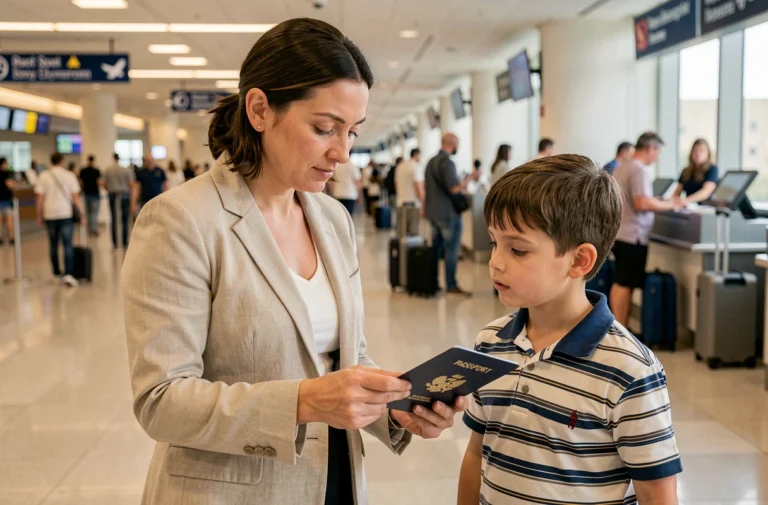
Far from protocol, the capital today welcomes the return of a French octogenarian finally freed from the United States. Marie-Thérèse, detained for several months, reunites with her family at Roissy. This repatriation, the result of a discreet but determined mobilization by consular teams, underscores the strength of the diplomatic and judicial bond between Paris and Washington. Relatives gathered at the airport pay tribute to the tenacity of the Quai d’Orsay.
On the economic front, the rise in prices remains a major concern. Wage negotiations continue in sectors such as Crédit Agricole. Strikes, union discussions, tensions over purchasing power: the situation shows how fragile the balance remains, between persistent inflation and ever-vibrant social expectations.
To follow, at any time, the latest national and international news not to be missed today, the website https://24actualites.fr/ provides updated information and offers unfiltered analyses.
What international events mark the day?
All eyes are on the Strait of Hormuz. After weeks of heightened tensions, Iran announces the reopening of the passage. For its part, Washington maintains military pressure at sea, while the Revolutionary Guards threaten any ship venturing too close. Donald Trump, true to his method, orders a blockade of Iranian ports. The climate remains electric, the balance precarious.
In Lebanon, the southern border remains under high surveillance. Israel confirms the maintenance of its forces, and a ten-day ceasefire, secured under the impetus of General Joseph Aoun and confirmed by Trump, temporarily calms the spirits. The Hezbollah celebrates this respite, Tehran rejoices, but the region remains on edge, waiting for the slightest spark.
Elsewhere, the news accelerates. In Venezuela, under American pressure, the government releases more than 40 political prisoners. In Myanmar, the fate of 900 missing Rohingya refugees since the beginning of the year alarms international bodies. In Gaza, the UN publishes a chilling report: 38,000 women and girls are said to have lost their lives between 2023 and 2025.
In Europe, Russia tries to downplay Viktor Orban’s defeat on the global stage. In Germany, the newspaper Welt am Sonntag throws a stone into the pond by highlighting the strong presence of foreign suspects in recent violence.

Analysis: Understanding the stakes behind the significant events
The reopening of the Strait of Hormuz by Iran, under pressure from the global community, goes far beyond a simple maritime issue. This passage illustrates the struggle for influence between the United States and Iran: every military or economic action immediately impacts the planet’s energy balance. The new American sanctions on Iranian ports not only target Tehran but also weaken trade throughout the region. Emmanuel Macron, by demanding the reopening of the strait, attempts to reposition France as a significant mediator, while the Paris summit with Keir Starmer and 49 states seeks to find a common solution.
In Lebanon, the ten-day truce, obtained by General Joseph Aoun and praised by Trump, offers a fragile pause. The Hezbollah claims victory, but the region remains a powder keg. The UN report on human losses in Gaza highlights the scale of the humanitarian crisis: 38,000 women and girls victims, a figure that chills and raises questions about the international community’s ability to act.
In Venezuela, the release of several dozen political prisoners reflects the pressure exerted by Washington on the Maduro regime. Latin America, too, is teetering: Lula warns of the dangers of a rollback of freedoms, cautioning that history is never safe from a brutal return. In Europe, the emphasis on the issue of the overrepresentation of foreign suspects in German violence sparks passionate debates on security and integration. The fault lines spare no continent, and the news leaves little respite for those trying to grasp its dynamics. It is hard, upon reading about this day, to imagine that geopolitics could ever slow its pace.